

Paediatric Dysphagia Crash Course
Ready to go deeper? This comprehensive paediatric dysphagia crash course takes you through anatomy, physiology, assessment and intervention — with the clinical depth you need to feel genuinely confident in this field. Available online, UK and worldwide.
Enrol Now£99.99 · Instant access
Is This Course for You?
This course is for SLTs who've moved past "I'm curious" and are ready to build real, applied knowledge in paediatric dysphagia.
Newly Qualified SLTs
You've qualified and landed a role with paediatric caseload — now you need a structured, clinical foundation to feel genuinely prepared.
Moving into Specialist Dysphagia
You're transitioning from adult services or a generic community role and want a thorough grounding before stepping into specialist work.
SLT Students
You want to go beyond what lectures cover and build a genuine clinical understanding of paediatric dysphagia before you graduate or head into placement.
Preparing for a Specialist Role
You've got an interview or a competency framework to meet — and you want to consolidate your knowledge in a clear, structured way.

What We'll Cover
Five modules covering the clinical knowledge you actually need — from the foundations through to real case studies that bring it all together.
Anatomy in Depth
- Structures of the oral cavity, pharynx, larynx and oesophagus
- Muscles involved in swallowing — and what happens when they don't work
- Cranial nerves and their role in feeding
- Adult vs child anatomical differences
- Relevant embryology and what it means clinically
Physiology & Swallowing
- Ages and stages of feeding development from birth to toddlerhood
- The oral, pharyngeal and oesophageal phases in detail
- Coordination of respiration and swallowing
- What atypical swallowing looks like across each phase
- Aspiration, penetration, PFD — the framework and what to look for
Assessment
- Case history taking — what to ask and what the red flags are
- Oral motor examination and cranial nerve assessment
- Clinical feeding observation — what you're looking for
- Instrumental assessments — VFSS, FEES, and ultrasound
- Dysphagia assessment vs PFD assessment — key differences
Intervention
- Evidence-based management strategies and principles of motor learning
- Compensatory, sensory and therapeutic interventions
- Diet modification and texture modification frameworks
- MDT roles and when to refer
- Enteral feeding and having difficult conversations with families
Case Studies
- Two real clinical presentations to apply everything you've learned
- A medically complex child with cerebral palsy — assessment and management
- A child born preterm now struggling to transition to solid foods
- Guided clinical reasoning questions throughout

What You'll Walk Away With
Every participant receives a full set of clinical handouts — practical resources you can use straight away in your day-to-day practice.
Ages & Stages Guide
A clear reference for feeding development from birth through toddlerhood.
Case History Form
A structured template to guide your information gathering with families.
Assessment Proforma
A ready-to-use framework to support your clinical feeding assessments.
Initial Report Template
A professional report structure you can adapt for your own caseload.
Oral Motor Examination & Cranial Nerve Assessment
A step-by-step guide to support your OME in clinical practice.
Picky Feeders vs Problem Feeders
A handy reference to help distinguish between typical fussiness and clinical concern.
Intervention Decision Flow Chart
A visual guide to help you think through your management planning.
Sagittal Diagrams — Child & Adult
Clear anatomical diagrams for reference and use in clinical education.
Why We Built This
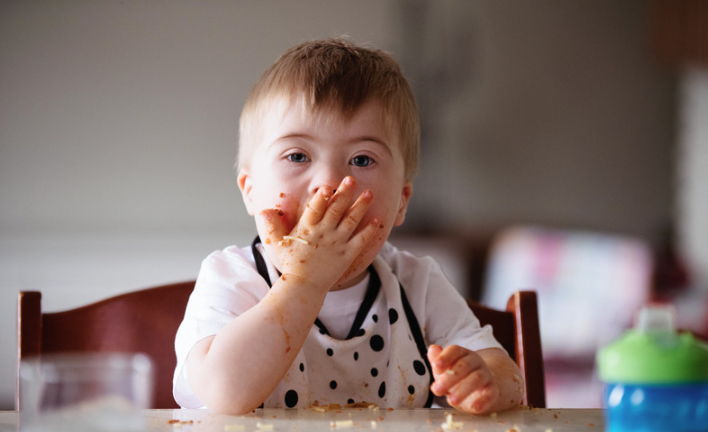
Paediatric dysphagia is one of the most clinically complex and most under-taught areas of speech and language therapy. Most of us leave university with a surface-level understanding and very little hands-on experience. When you land a role with a paediatric caseload, that gap can feel enormous.
This course exists to close that gap. It's everything we wish we'd had access to when we were starting out — structured, evidence-informed, and built around what you actually need to know to assess and support children with feeding and swallowing difficulties.
"We haven't watered this down. It's the real clinical content — the kind that used to only come from years of supervised experience or expensive postgraduate training."

Two Case Studies to Bring It All Together
Clinical knowledge only becomes confidence when you apply it. That's why this course ends with two case studies — different presentations, different challenges, and the kind of clinical reasoning questions you'll face in real practice.
Medically Complex Aspiration
A medically complex child with cerebral palsy — working through the full clinical picture, from a detailed assessment to building an appropriate management plan.
Supporting Difficult Weaning
A child born preterm who is now struggling to move onto solid foods — exploring what's driving the difficulties and how to support the next steps.
Meet Your Instructors
We're Chelsea and Savannah — two specialist paediatric SLTs who've spent our careers in this field. Between us, we've worked across NHS and private hospitals, neonatal units, community feeding teams, schools, and independent practice. We built this course to share what that experience actually looks like.
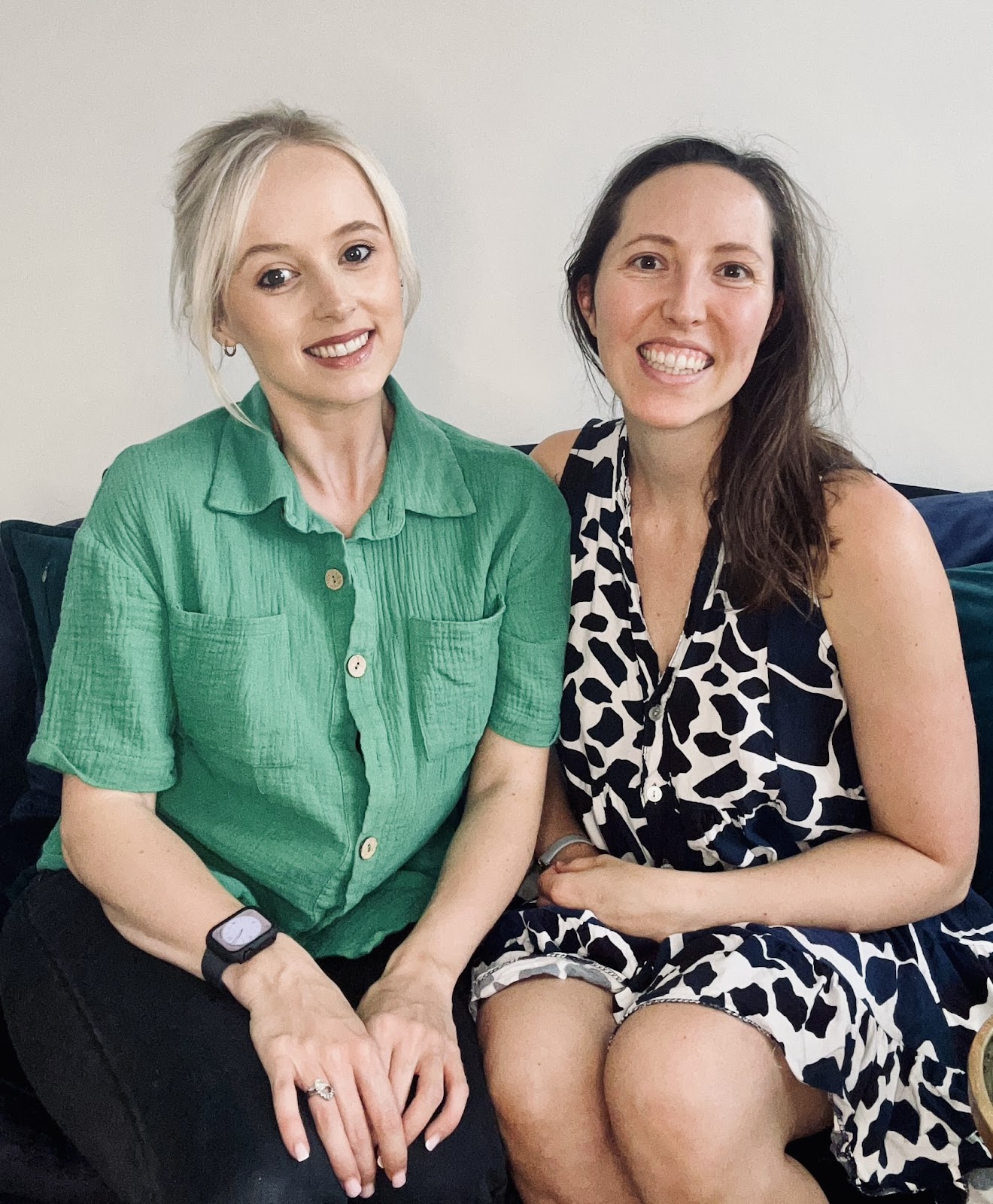
Chelsea Ridge
Paediatric SLT
Chelsea is from Ireland and trained at City University London, graduating with a BSc in Speech and Language Therapy in 2014. She also holds a PGDip in Paediatrics and Child Health from Imperial College London, a diploma in child nutrition, and is trained in the SOS Approach to Feeding Therapy, Makaton, Hanen, and Elklan — and is a SOFFI Certified professional. She has spent her career working with babies, toddlers, and young children with feeding and communication needs, and runs Eat Chat Play. She's known for her calm, clear way of breaking down complex clinical concepts into something that actually makes sense.
Savannah Senior
Paediatric SLT & IBCLC
Savannah trained in South Africa and holds a BSc in Speech and Language Therapy and an MSc in Advanced Paediatrics. She is also an International Board Certified Lactation Consultant (IBCLC), trained in the SOS Approach to Feeding Therapy, a SOFFI Certified professional, and has completed additional training in Makaton. She has worked in the UK for over a decade with paediatric feeding, swallowing and dysphagia, and runs Learn to Feed. She's known for her warm, whole-child approach and for turning overwhelming clinical information into clear, practical steps.
What Others Are Saying
Feedback from clinicians who joined our earlier webinar series — the foundation this course was built from.
Was great thank you! 5 days was really appropriate as it split it up across the week.
Really easy, accessible information in how it was presented, while covering really key details relevant to all areas of the SLT role in paediatric dysphagia. Some CPD courses can be super evidence-heavy — this wasn't. Just overall fabulous. Money well spent!
So helpful and very detailed and informative.
The slides are great length and not too overwhelming. I really enjoyed the case history discussions on day 5. Overall, I learnt so much and will be recommending this to the company I work with for those keen on dysphagia and especially NQPs.
I felt it was a very thorough and informative course. I enjoyed it being a week long and 1 hour in the evenings. I have already recommended it to my speechie friends who are in paediatrics! Will definitely be trying to book onto the case study days!
I really enjoyed this event — I was unsure if I should book or not, but I'm so glad I did! As a student I think it was pitched really well. Thank you both so much for putting this on, it seemed so well thought out and logical!
In general, the course was brilliant. Savannah and Chelsea were so knowledgeable and approachable. A good refresher and a lot of food for thought moving forwards.
The slides were clear and concise. The content was all so interesting. It did feel fast paced, but the videos allowed us to go back to the bits we needed individually. I feel that you created a welcoming space — thank you so much!
Excellent delivery and very informative.
Thank you both for your time and effort in this course! Case studies and the ability to watch recorded sessions with busy schedules makes it really accessible!!
I really appreciate the handouts and also the recordings so that I can go back in my own time. The last day with the case studies and discussion was really helpful.
Very informative. I really enjoyed the different lessons each night with the opportunity to apply them to real-life examples at the end of the week — a nice way to round it all off. Bonus receiving the documents to take forward and support me with patients.
It was excellent and covered a lot of areas. I particularly enjoyed talking through the case studies. The handouts will be really useful.
Very well organised, good content and useful that it also touched upon anatomy — always nice to have a refresher. I found the resources provided very useful and will definitely be using them. Hope to attend another event organised by you again soon!
Questions You Might Have
This course builds a strong clinical foundation — the theoretical knowledge, clinical reasoning, and practical frameworks you need. If you qualified under the new curriculum, dysphagia competency was embedded in your degree, so this course works alongside your supervised clinical experience to deepen and consolidate that knowledge. If you qualified before the curriculum change, your pathway to independent practice may include a postgraduate dysphagia qualification — this course gives you excellent preparation for that, or a strong foundation to build on alongside it. Either way, supervised clinical experience remains an essential part of developing independent competency, and this course is designed to complement that, not replace it.
Yes — this course goes considerably deeper. Where the Introduction to Paediatric Dysphagia gave you a clear overview of the field, the Crash Course gives you the clinical detail: in-depth anatomy, full swallowing physiology, a thorough walk through assessment frameworks, and evidence-based intervention approaches. If you've done the intro, you'll have great context coming in.
Yes — students are very welcome. Several of our previous participants were SLT students and found the course pitched well for their level. A basic understanding of anatomy and swallowing from your training will help you get the most out of it, but you don't need specialist experience. Many students have told us it gave them a real head start going into placement or their first role.
This course is developed and delivered by experienced, practising specialist clinicians and covers substantial clinical content. We'd recommend checking with your employer or professional body about how they accept self-directed CPD, as requirements can vary.
Once you've enrolled, you have 6 months access. Work through it at your own pace, pause between modules, or come back to specific sections as your caseload develops. It's designed to be a resource you return to throughout that time.
Yes — we offer a 14-day refund policy, provided you haven't accessed more than 30% of the course content. We want you to feel confident in your purchase.

Ready to Build Your Dysphagia Confidence?
The clinical knowledge is here. The case studies are here. The instructors who've done this work for years are here. All that's left is you.
Enrol Now£99.99 · 6 months access